

Renovating a space for toddlers to take safe risks
Exhibit Design
Fabrication
CAD Modeling
The Randall Museum is a public center for natural history, science, and arts – and a beloved destination for children across San Francisco. While the space dedicated to children under five and their guardians is in near-constant use, it lacks the vibrant, organic, educational utility that is characteristic of the museum’s other exhibits. I’m currently working with the leadership team at the Randall to reimagine how this space could better serve the building’s youngest visitors.
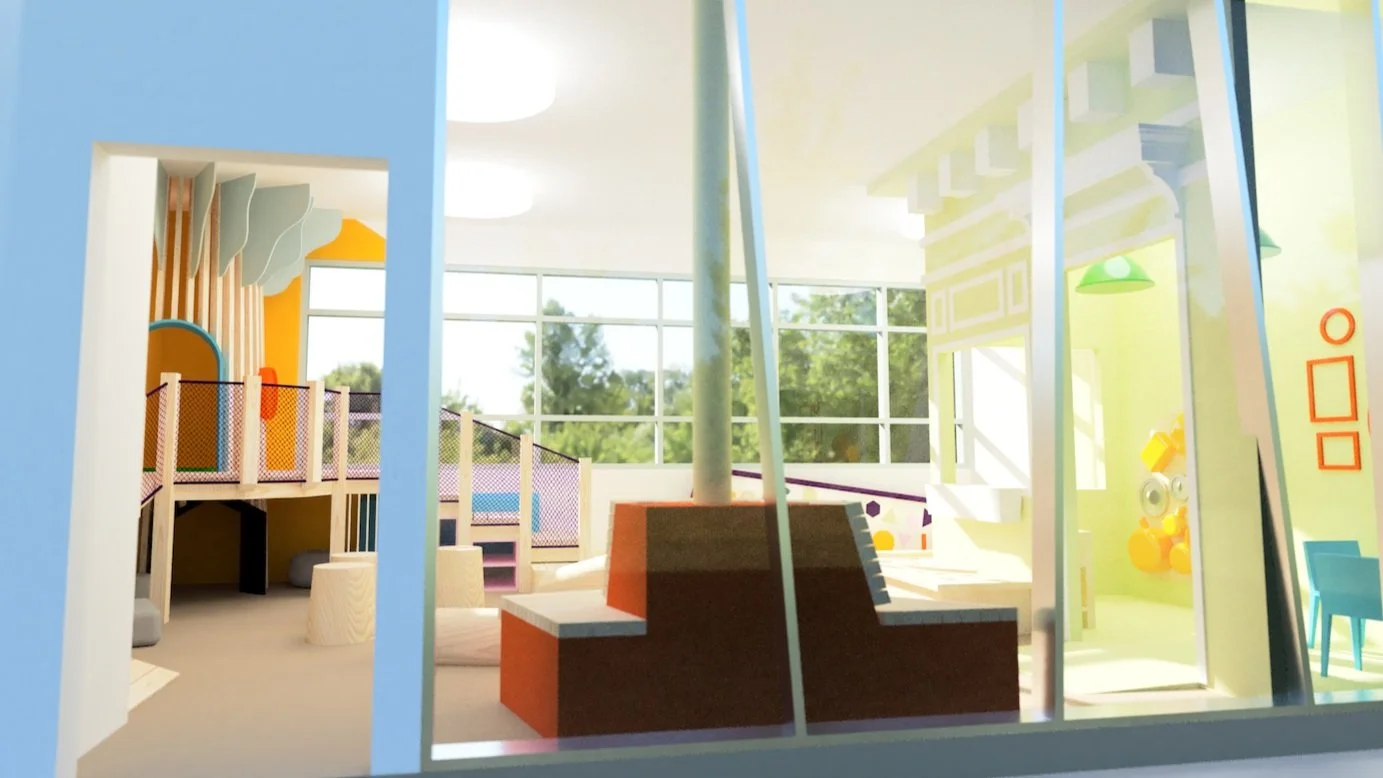
Challenge
Reinvigorate the toddler room while upholding the Randall Museum’s values of creativity, discovery, and connection with nature.
Strategy
Create a space where toddlers can safely develop age-appropriate skills, caretakers can monitor self-led activities, and families can learn together.
Learning from early childhood development experts
Before I put pen to paper, I sought out early childhood educators to understand this particular age group’s needs, learning style, and developmentally appropriate approaches to fostering play.
Because the museum is run by SF Rec. and Parks and focuses on California wildlife, I was specifically interested in teachers who specialize in outdoor education.
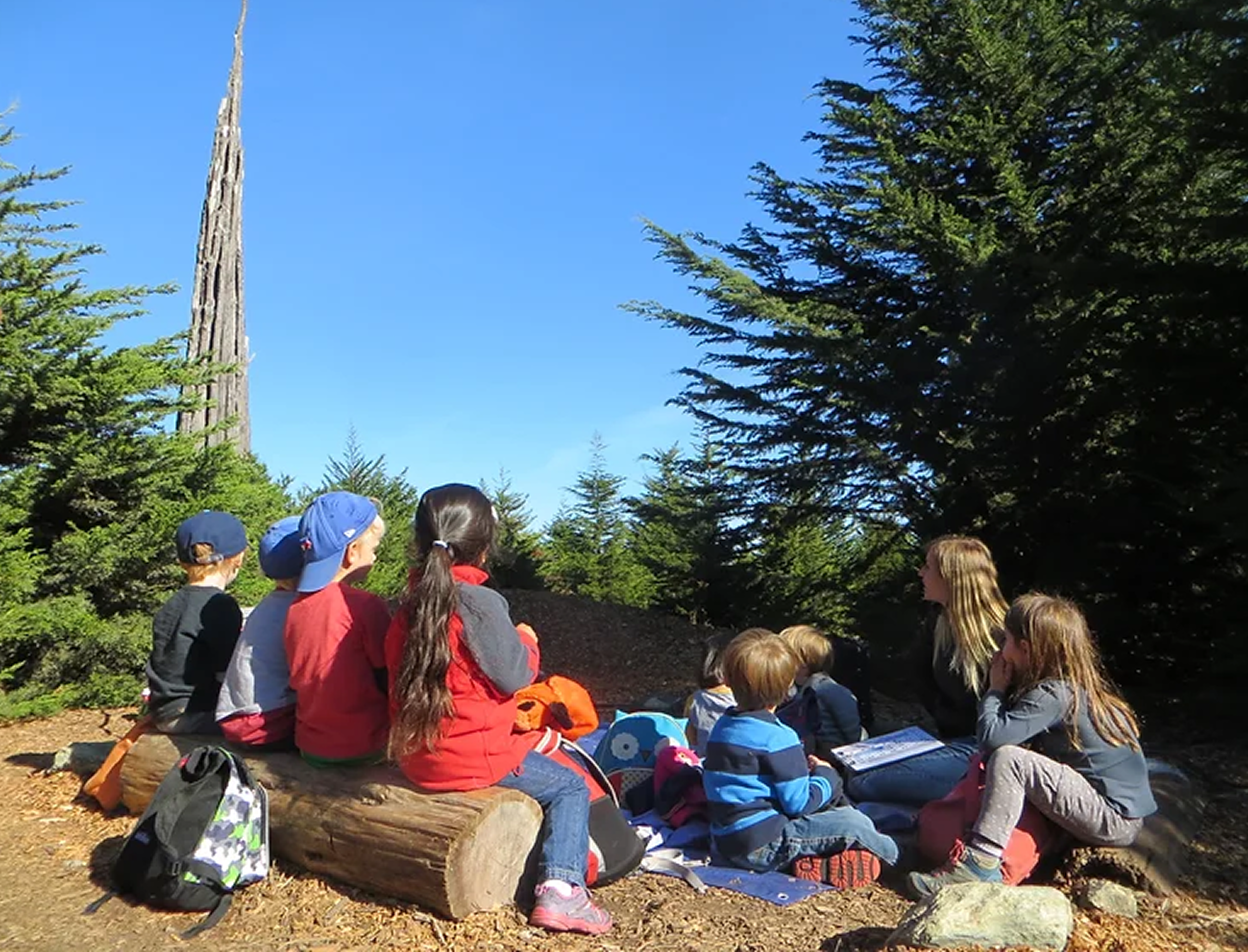
Toddlers need spaces where they feel comfortable taking risks – which is critical for developing problem solving skills, adaptability, and independence.
Megan Dusablon
Director & Lead Educator at Parks Plus Creation, a forest preschool in the Presidio
At home in the bay
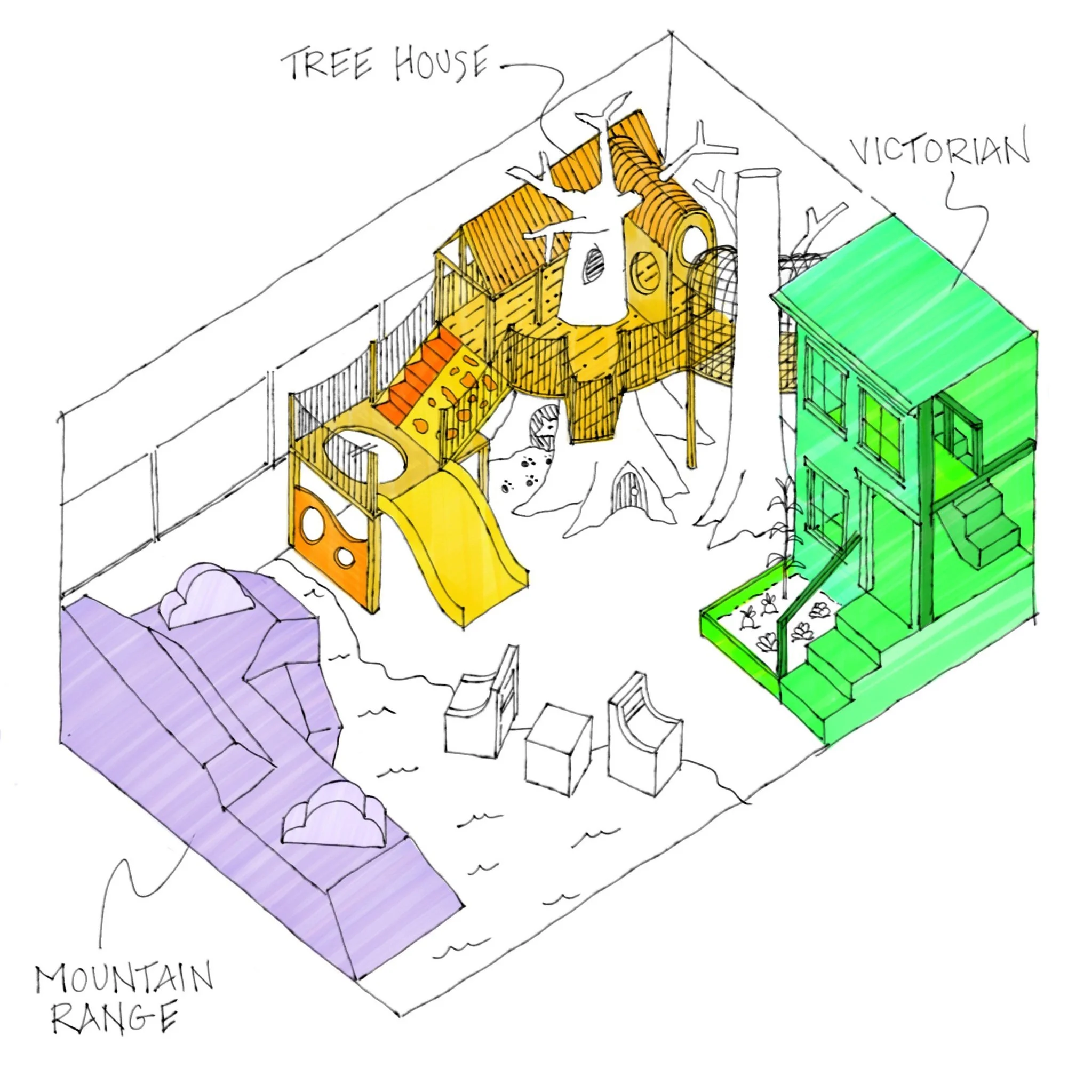
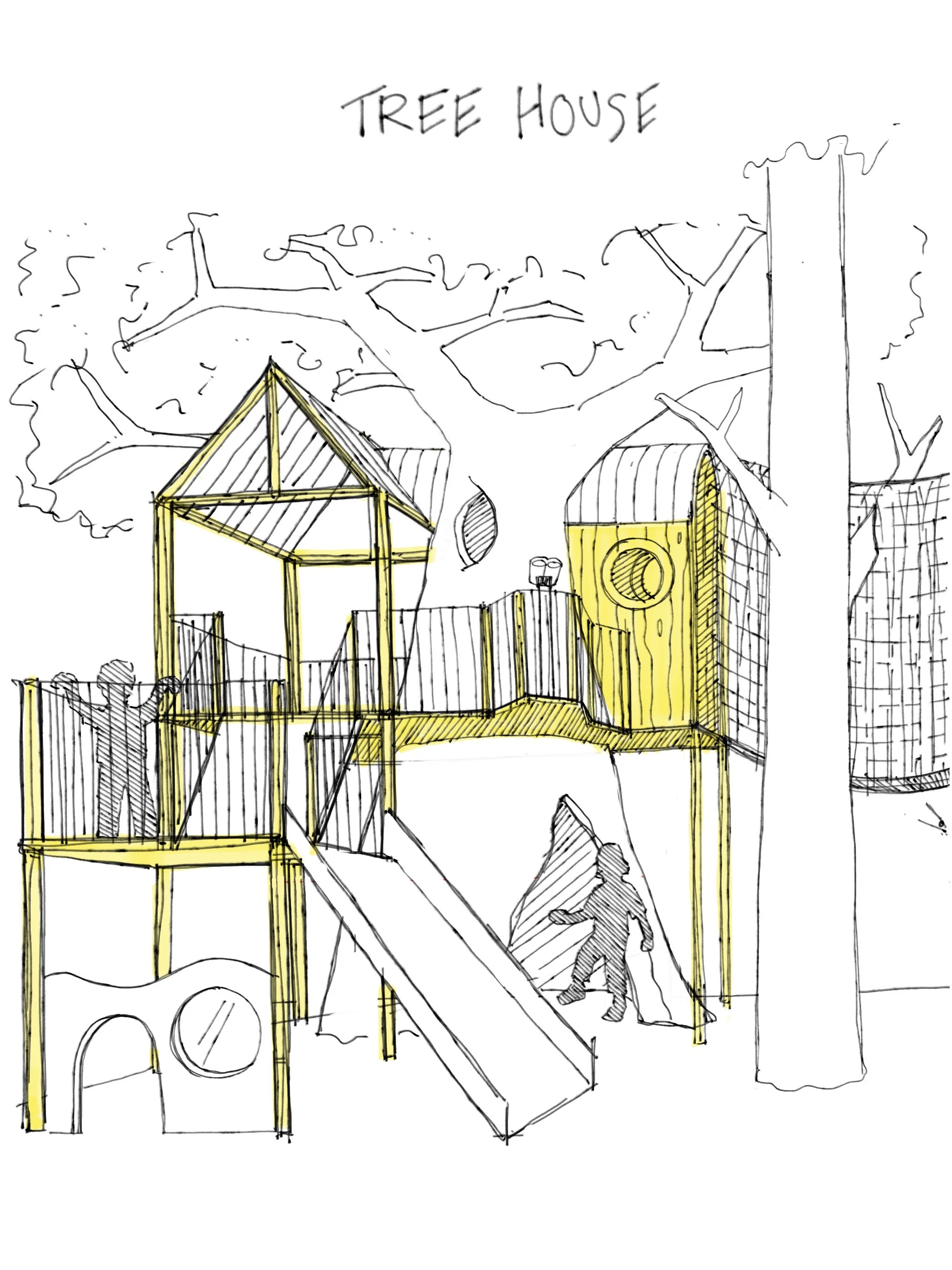
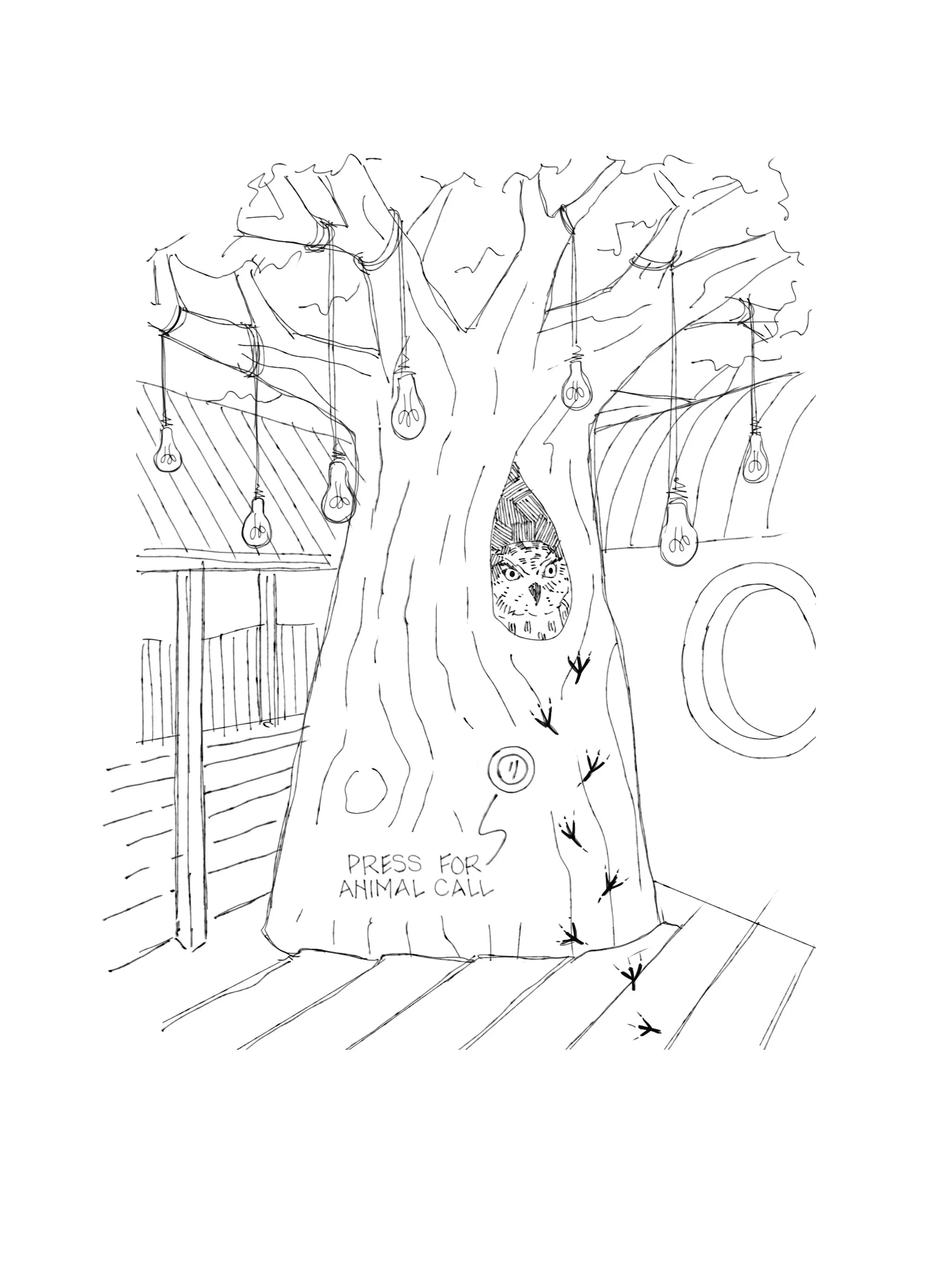
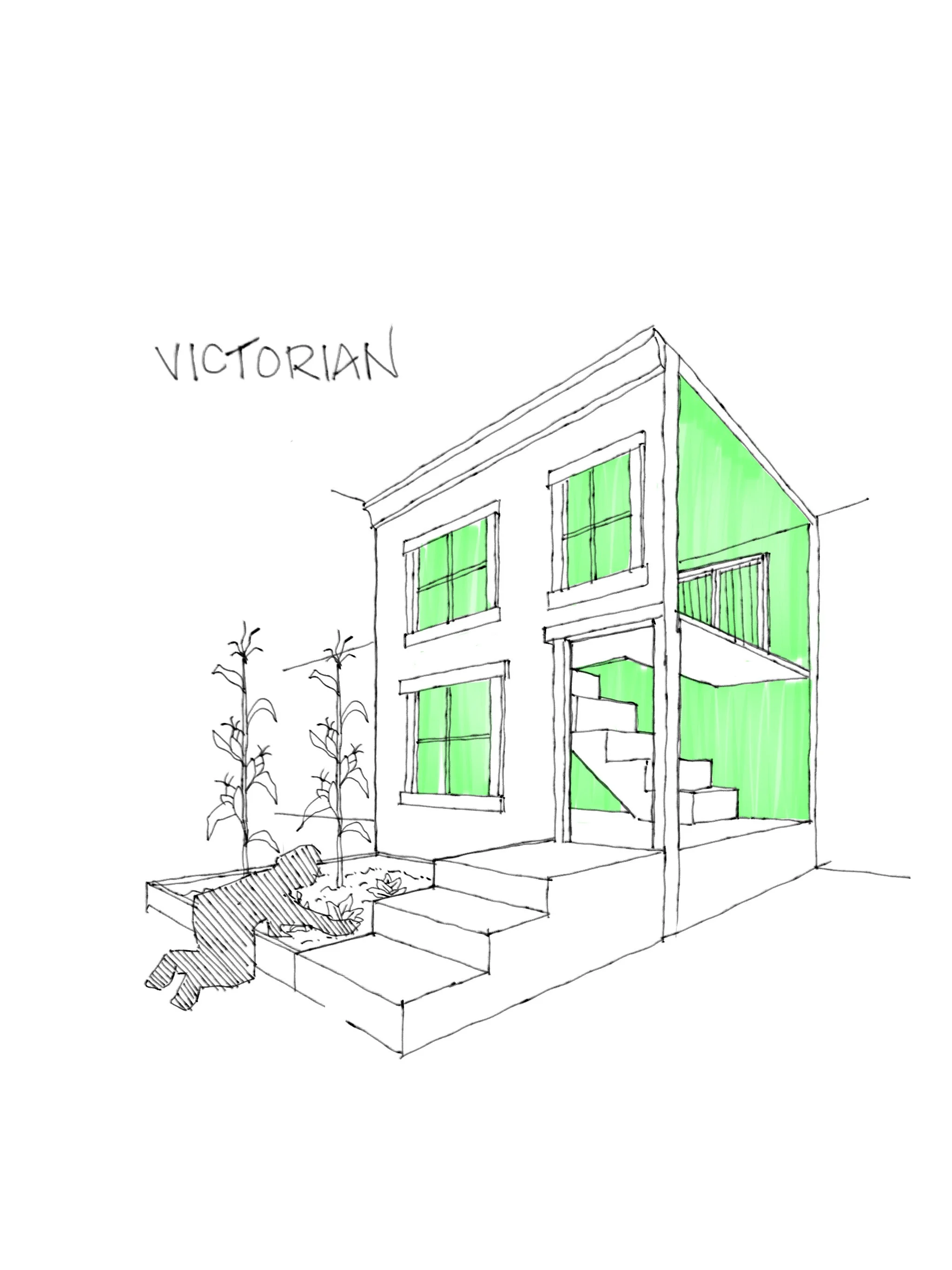
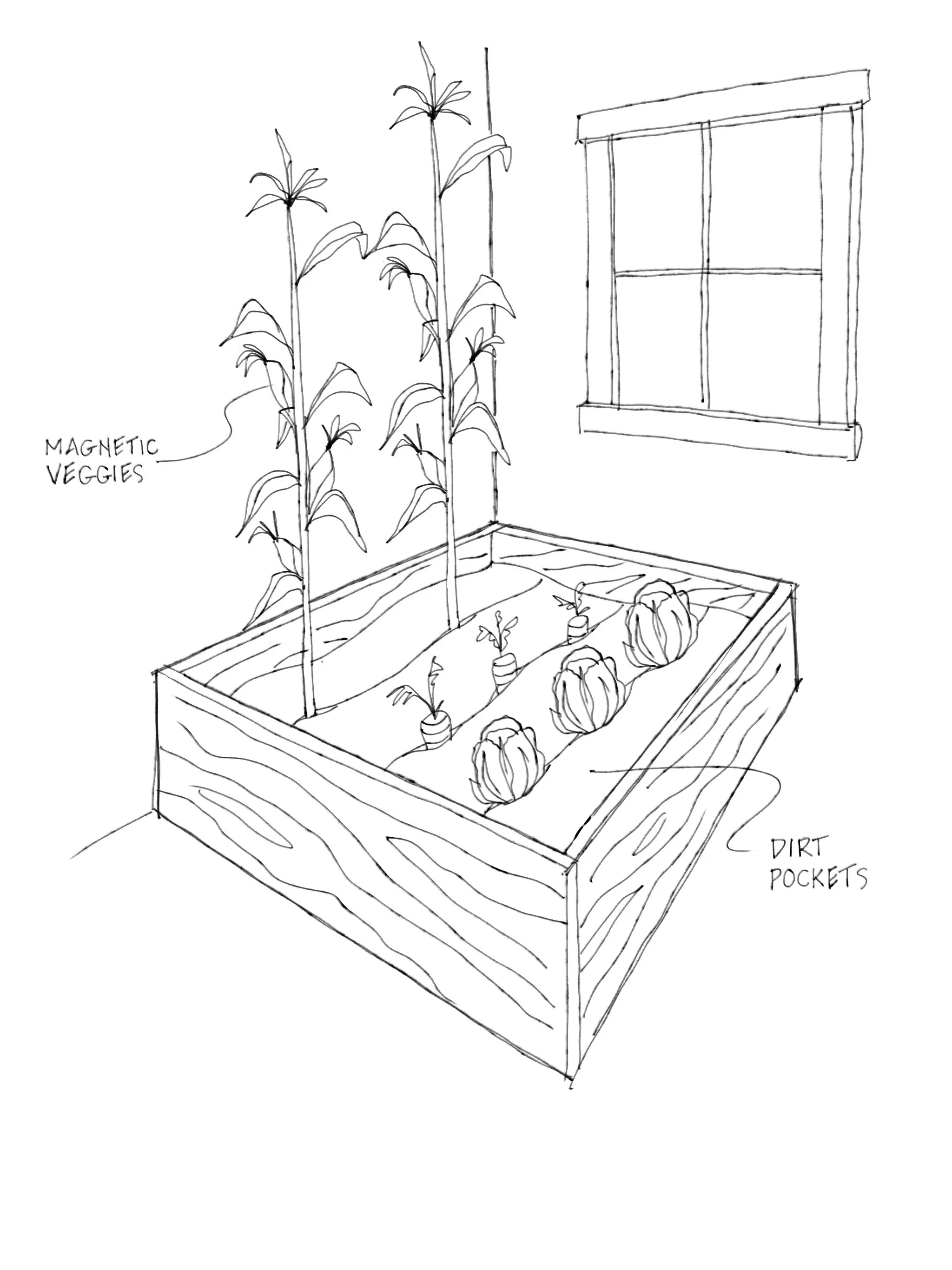
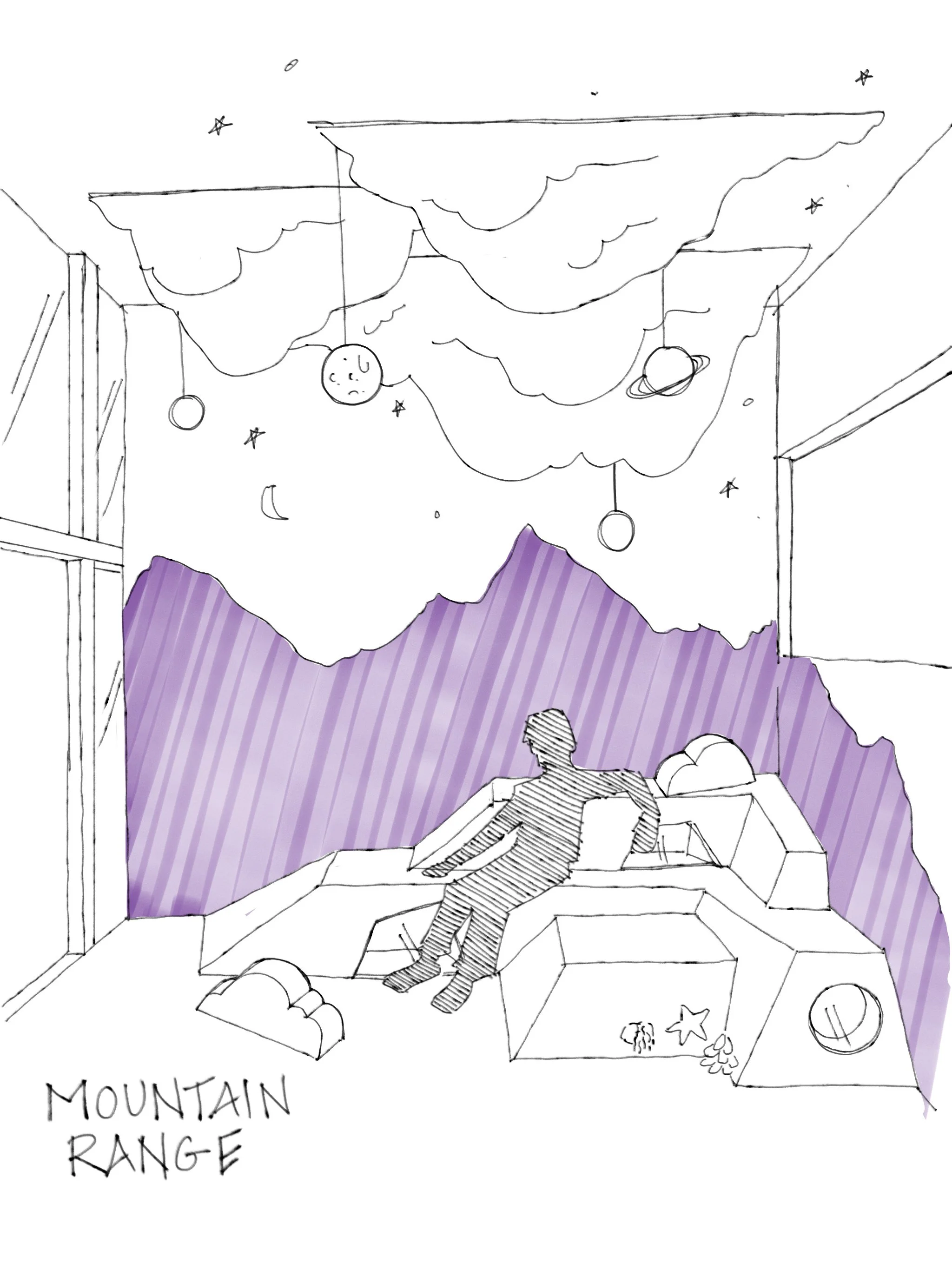
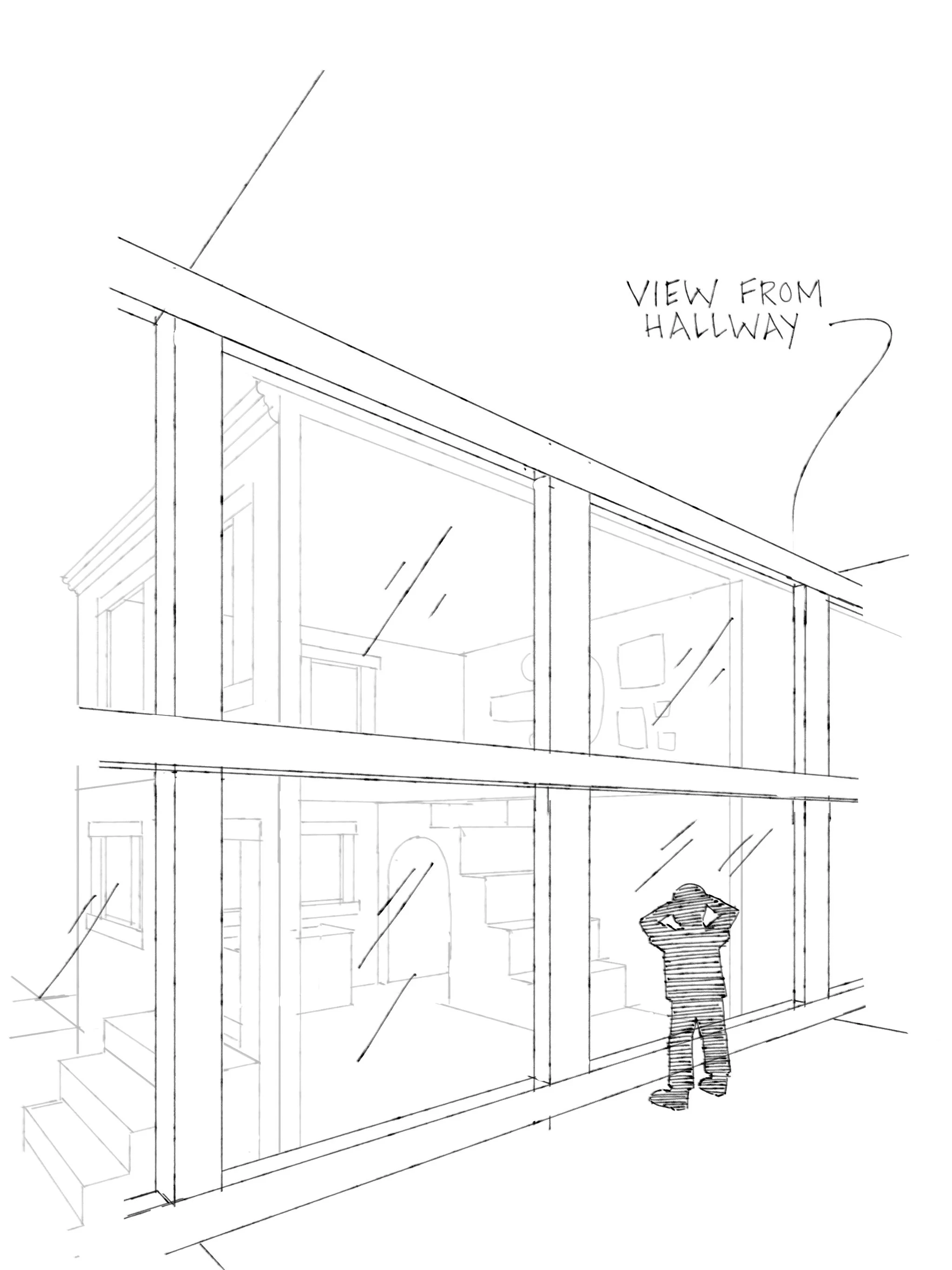
In line with the museum’s theme of providing education about local wildlife, initial concepts were intended to empower young visitors to explore the ways people, plants, and animals have made San Francisco their home.
Making the most of a small space
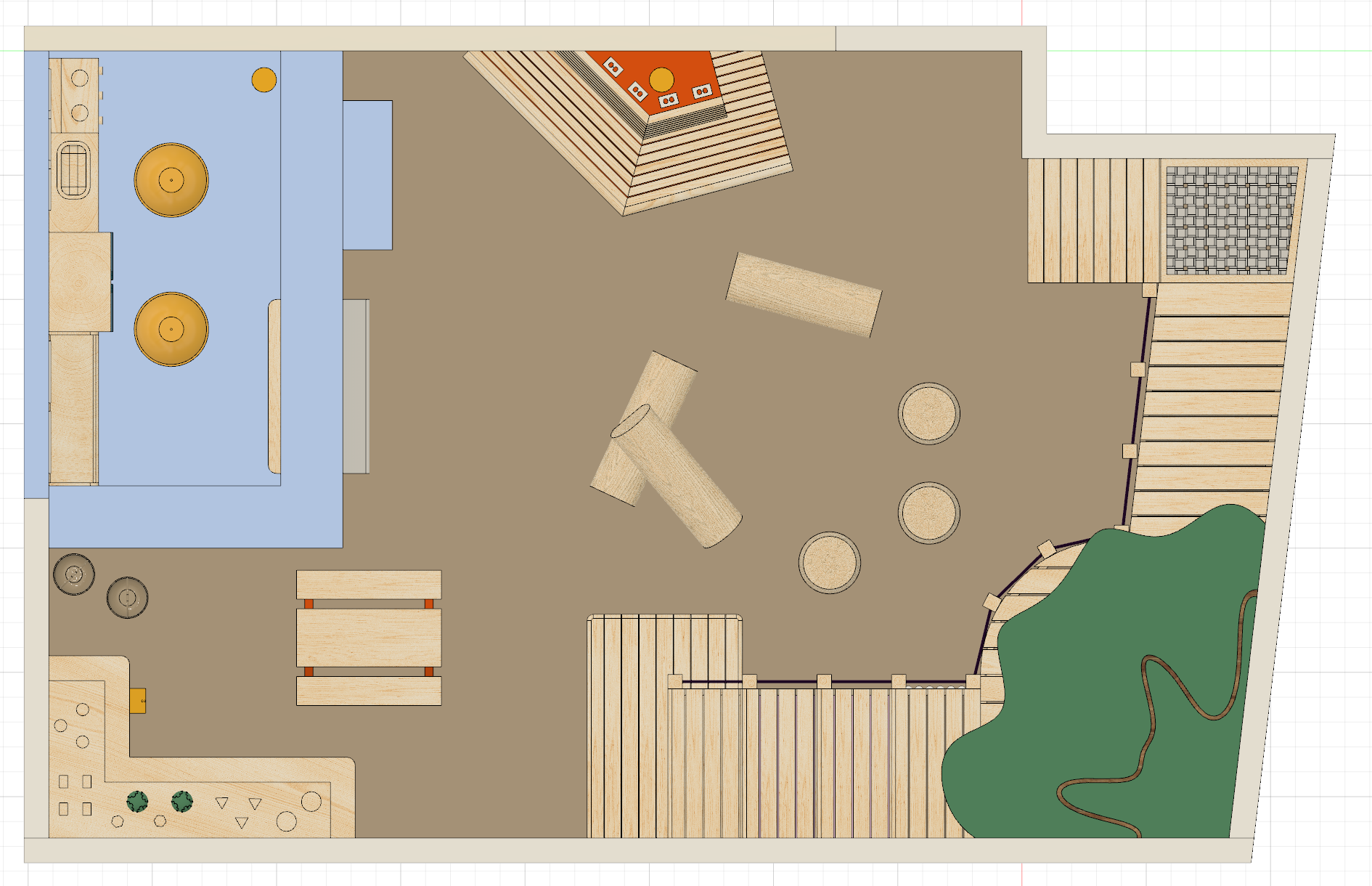
Once the Randall team and I had aligned on a theme and prioritized concepts, I began modeling the space in CAD. This helped understand how each feature would fit together in the fairly limited footprint of the room, and estimate how light from the interior and exterior windows would illuminate the space.
Accessible activities
60% of the footprint and play components are accessible to wheelchair users. All ground level play components maintain a 3’ wide accessible route per ADA Standards for Accessible Design guidance.
Self-led exploration
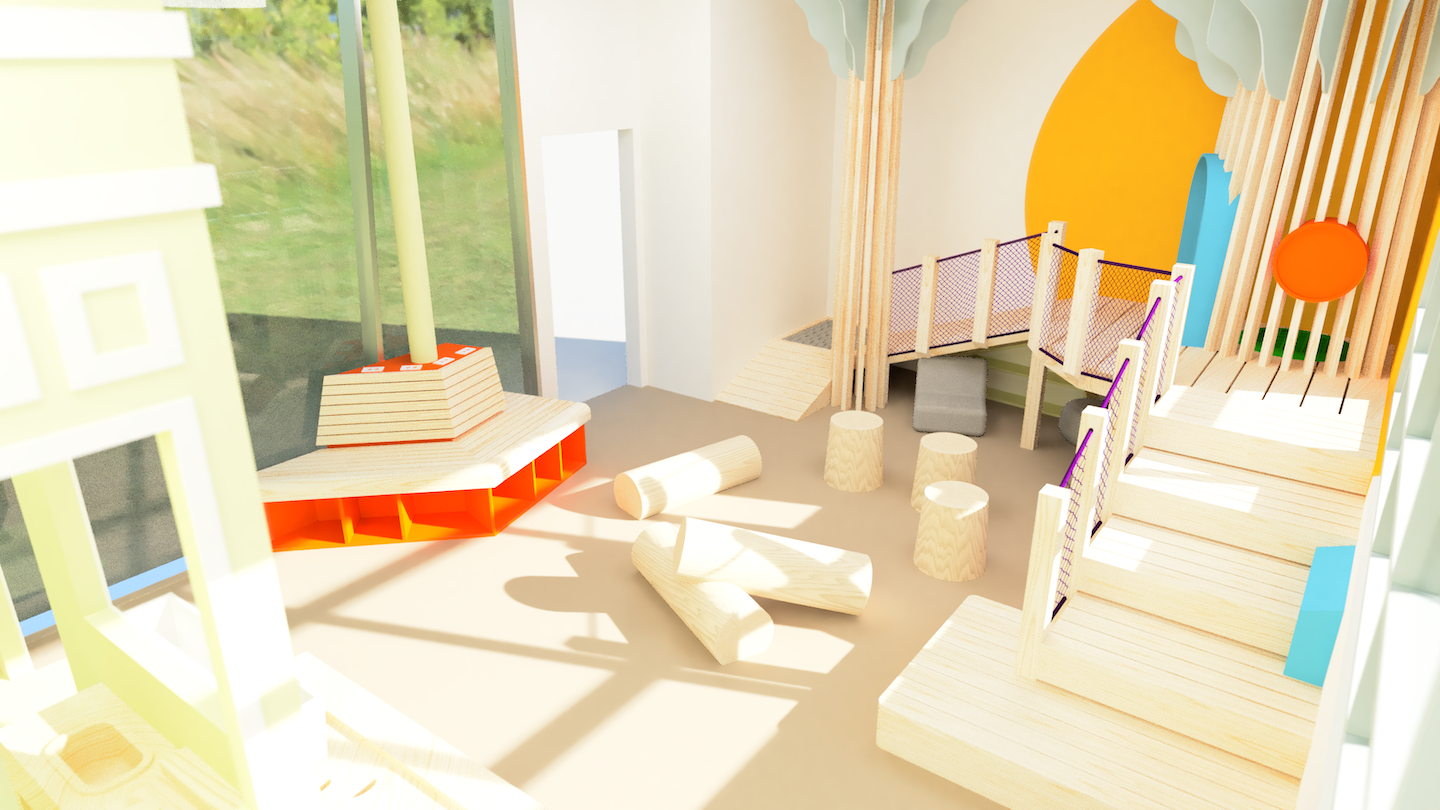
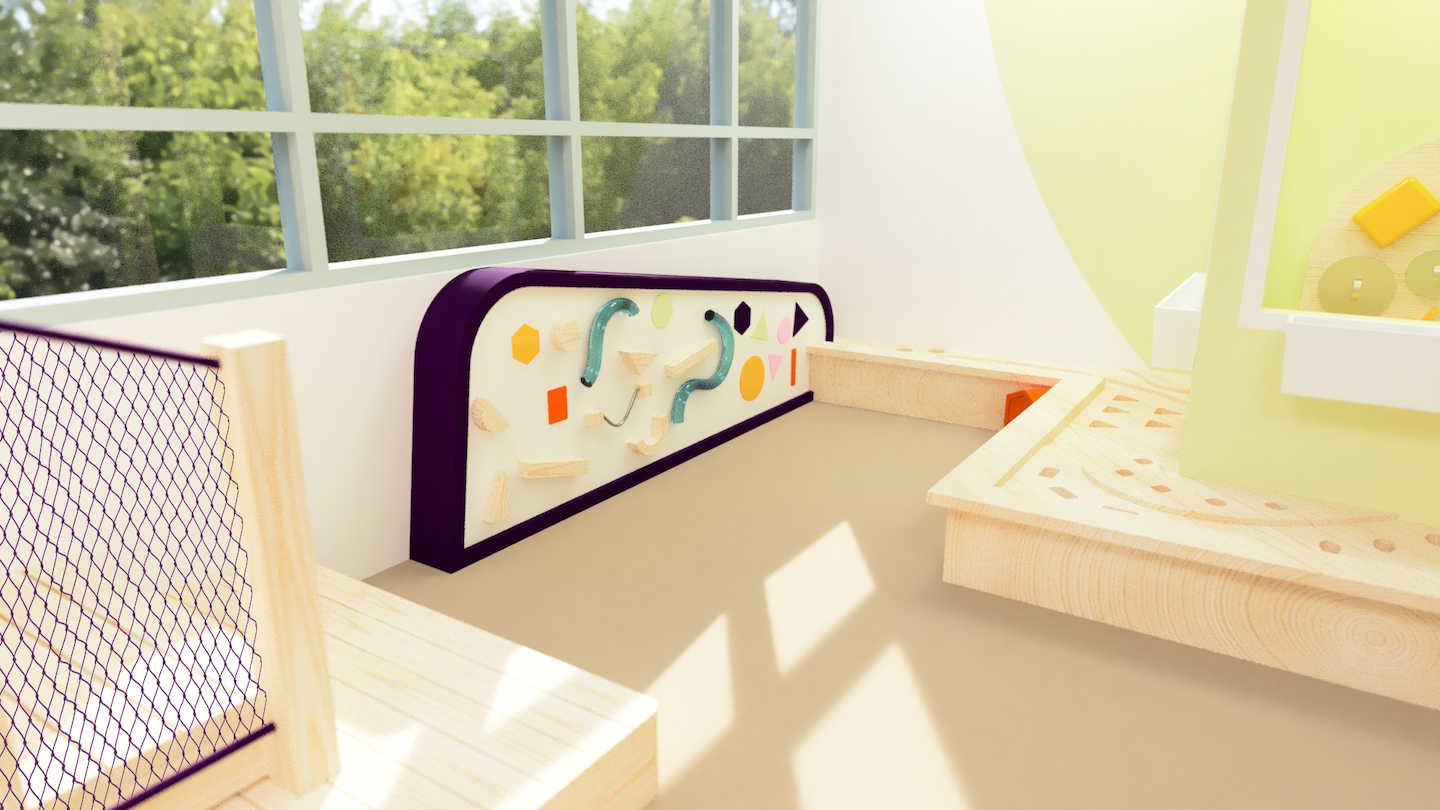
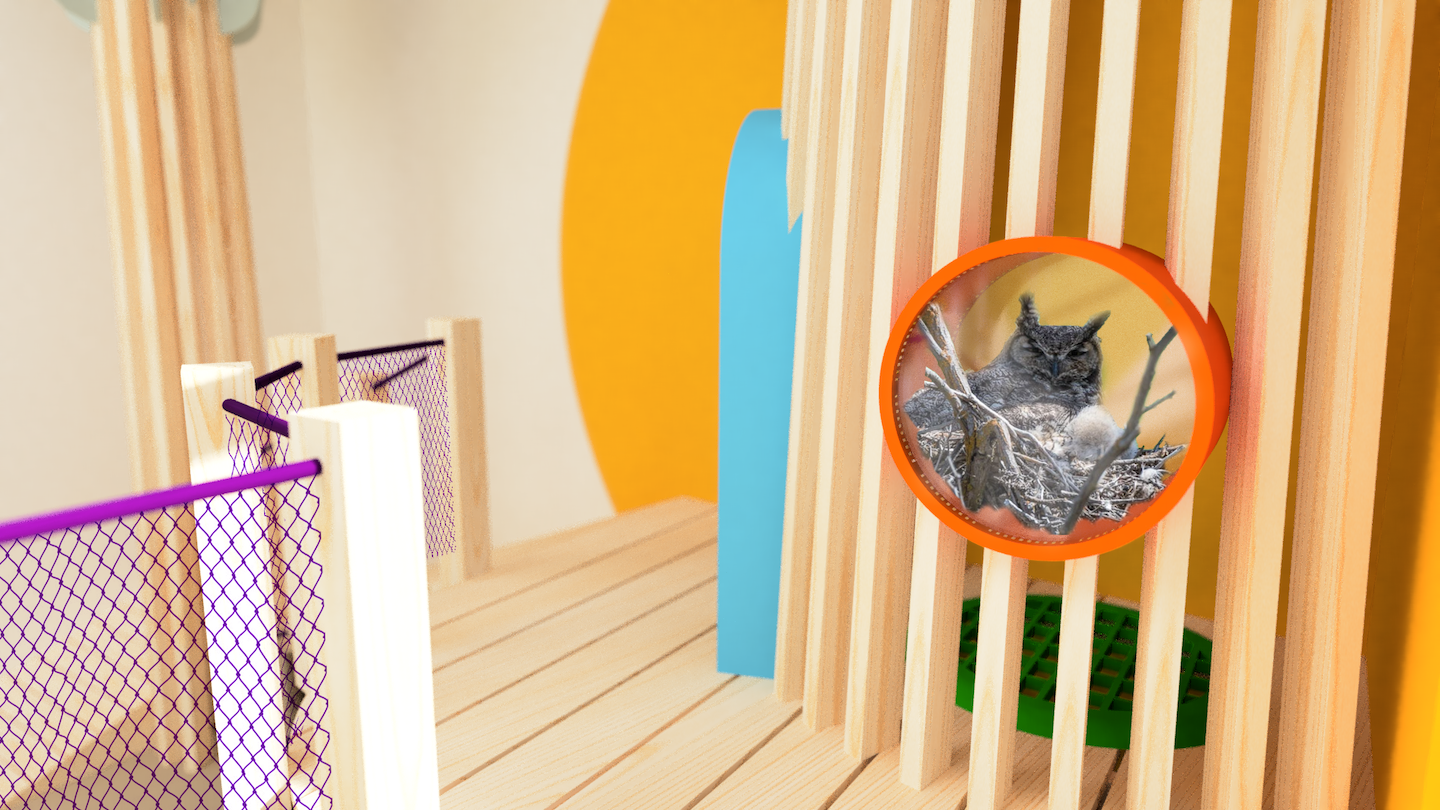
While some chose to read or self-regulate in the quiet cave, others can practice pattern-matching and imaginative play pulling veggies from the shape garden and cooking with them in the play kitchen. Meanwhile, others may exercise gross motor skills as they climb the ramp and discover an owl habitat in the canopy while their guardians observe from the seating area near the entrance.

Next steps
Gathering feedback
Before moving on to final design documents, I’m preparing moderated and unmoderated surveys to gather feedback on the revised concepts from the visitors that utilize the existing space.
Related Work

Onward Industries
Exhibit Design · Fabrication

LSA X Yosemite National Park
Welcoming visitors to a new perspective on national monuments